ThinPrep – Advanced Liquid-Based Pap Test


ThinPrep – Advanced Liquid-Based Pap Test
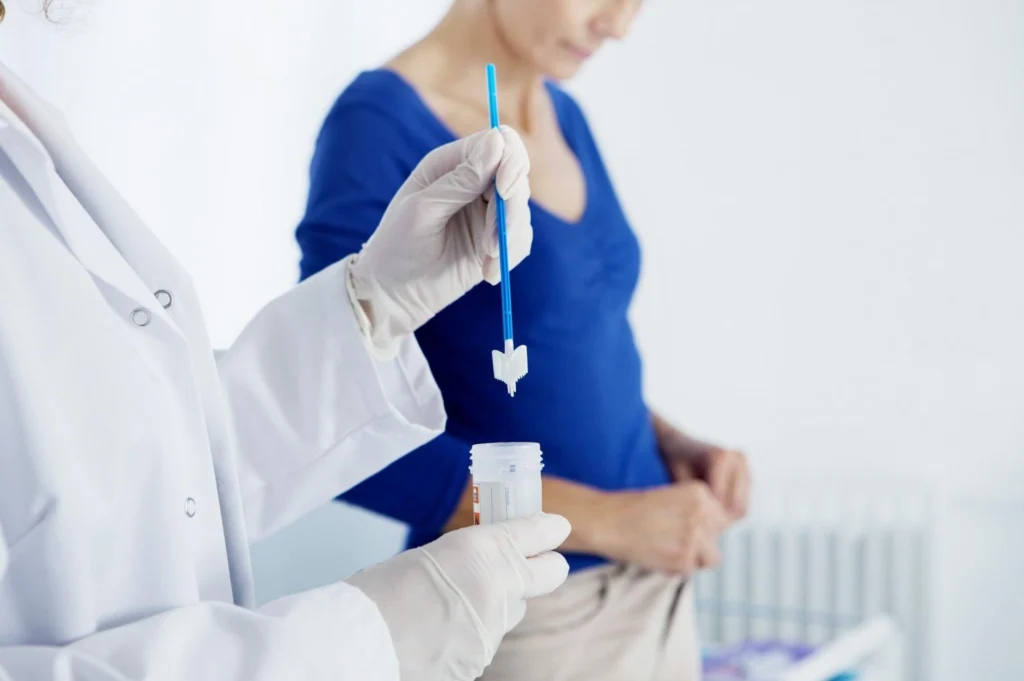
ThinPrep is the commercial name for the liquid-based Pap test, an advanced version of the traditional Pap smear. Early detection through ThinPrep Pap & HPV testing reduces the risk of cervical cancer, enables preventive interventions, and ensures optimal care for women of all ages.
The ThinPrep Pap Test, combined with HPV identification, provides highly accurate detection of precancerous changes and cervical infections. It is a painless, quick, and safe procedure, ideal for women seeking comprehensive monitoring of their gynecological health.
Collection of cervical cell samples using modern, minimally invasive tools. Detailed laboratory analysis for precancerous changes and high- or low-risk HPV presence. Expert interpretation of results and guidance on next steps or treatment if needed.
Book your ThinPrep Pap & HPV Test today to ensure complete, safe, and reliable preventive care.
While gynecology deals with the medical care of women’s health issues, obstetrics is related to care during pregnancy, childbirth, and immediate post-delivery. An obstetrician performs the delivery of babies via vaginal birth and caesarean section. Gynecologist does the treatment of issues related to reproductive organs like vaginal or uterine infections, infertility issues, etc..
Yes, gynecologists do perform various surgeries. Some of the common gynecologic surgeries are:
There are also other procedures performed by gynecologists to help them look inside the urinary tract and uterus to check for any abnormalities.
Ideally, girls should schedule their first visit to a gynecologist between the ages of 13-15 years. It might just be a general talk with the doctor and know what to expect from your future visits. It is advisable to visit gynecologists annually for the check-up and at any other time when there is a concerning issue.
The first visit might only be a conversation between you and the doctor. This will also set a schedule for your future visits and advice from the doctor to stay healthy and take any precautions if needed. The doctor can ask you numerous questions regarding your health and medical issues to understand your case better. In some cases, few tests are also done on the first visit.
Your health is our priority.
Για να σας προσφέρουμε την καλύτερη δυνατή εμπειρία, χρησιμοποιούμε τεχνολογίες όπως τα cookies για την αποθήκευση και/ή πρόσβαση σε πληροφορίες συσκευής. Η συγκατάθεσή σας σε αυτές τις τεχνολογίες μας επιτρέπει να επεξεργαζόμαστε δεδομένα, όπως η συμπεριφορά περιήγησης ή μοναδικά αναγνωριστικά σε αυτόν τον ιστότοπο. Η μη παροχή συγκατάθεσης ή η ανάκλησή της ενδέχεται να επηρεάσει αρνητικά ορισμένες λειτουργίες και δυνατότητες.